What is The Pre-Seven Learning Method?
The Pre-Seven Learning Method is a stage-based, screen-free approach that builds the thinking capabilities children use underneath academic learning, across ages three to seven. It works in four stages matched to age: Attention Architect (3-4), Logic Foundation (4-5), Strategic Navigator (5-6), and Executive Function Lab (6-7). Each stage develops capabilities like attention, working memory, reasoning, persistence, and self-control through small, calm challenges a child can do alongside a parent.
Why do the years before seven matter for thinking skills?
The years before formal school are when many of the thinking capabilities underneath learning first take shape, attention, working memory, self-control, and the ability to stay with a problem. Research in developmental psychology links early self-regulation and executive function to later school outcomes. Building these capabilities before seven, at home and through play, gives children a foundation that supports how they learn once school begins.
What are the ten thinking capabilities children build before school?
The Pre-Seven Learning Method focuses on ten capabilities: sustained attention and persistence, cognitive flexibility, pattern recognition, working memory, critical thinking, problem-solving, error detection, comfort with uncertainty, planning and self-control, and creativity. These are the capabilities children use underneath reading, maths, and everyday learning, and they are practised deliberately, one at a time, through calm activities.
What cognitive skills should a 3-year-old be developing?
At three to four, the focus is attention and the ability to stay with a task. A child at this stage is learning to notice detail, follow a simple instruction, and keep going with something a little difficult rather than moving straight on. This is the Attention Architect stage: the groundwork of focus that everything else is built on. The outcome to look for is a child who finishes what they start.
What cognitive skills should a 4-year-old be developing?
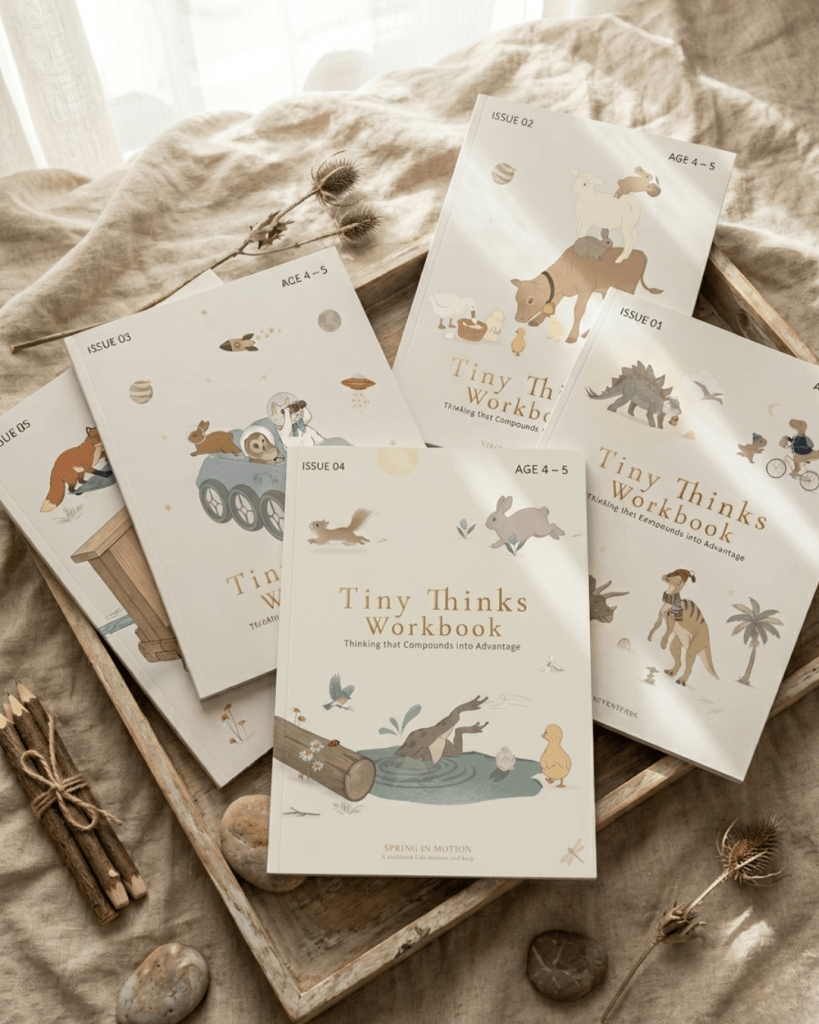
At four to five, children begin to see patterns and reason about what comes next. They start noticing rules, sorting and matching, and making simple predictions. This is the Logic Foundation stage, where early reasoning takes shape on top of the attention built earlier. The outcome to look for is a child who begins to see patterns others miss.
What cognitive skills should a 5-year-old be developing?
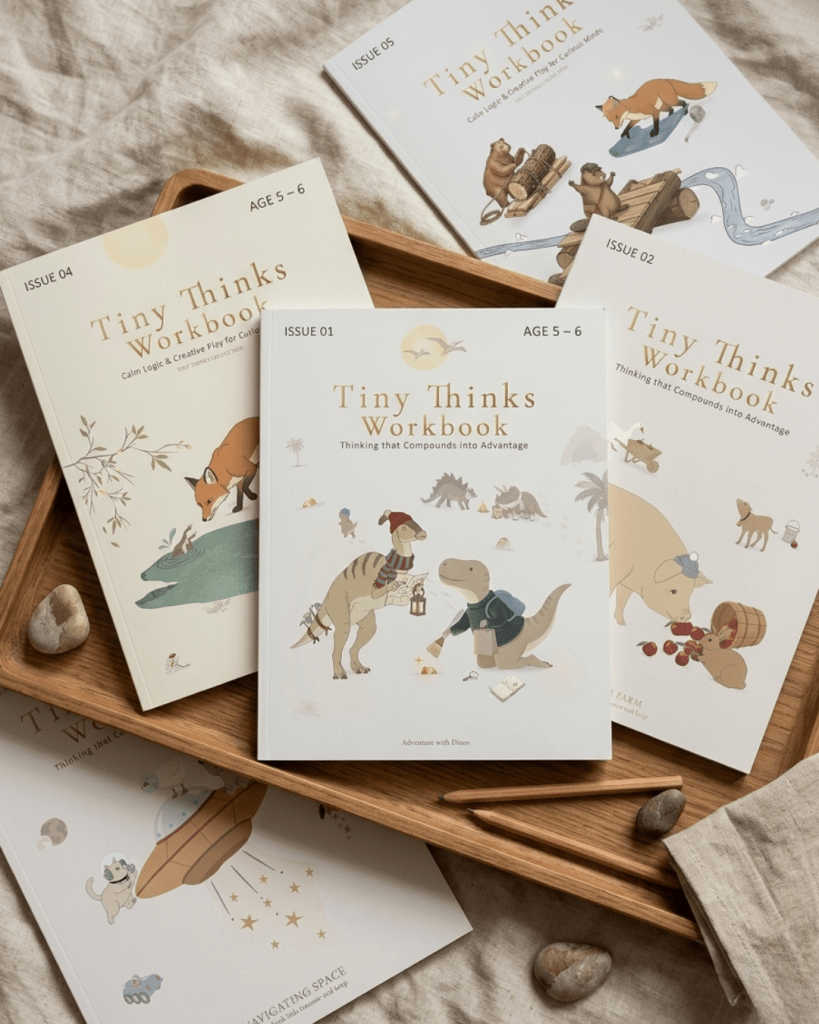
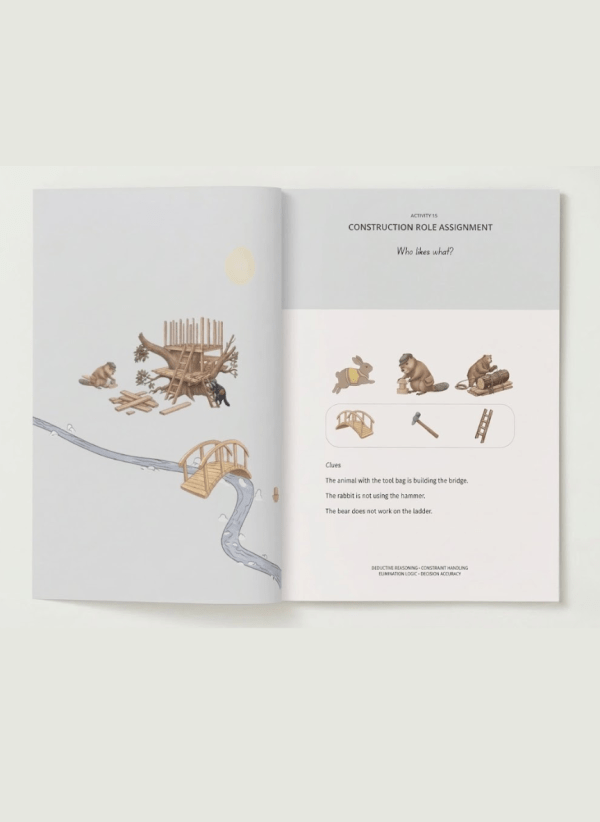
At five to six, children move from noticing to working things out. They begin planning a step ahead, trying an approach, and adjusting when it does not work. This is the Strategic Navigator stage, where problem-solving and flexibility develop. The outcome to look for is a child who works something out without asking for help at every step.
What cognitive skills should a 6-year-old be developing?
At six to seven, children begin to check their own thinking. They notice their own mistakes, hold a plan in mind while carrying it out, and keep going when the answer is not obvious. This is the Executive Function Lab stage, where self-directed thinking comes together. The outcome to look for is a child who figures things out when others give up.
How do you build executive function in preschoolers?
Executive function, the mix of attention, working memory, and self-control, develops through repeated practice with small, manageable challenges, not through instruction. A child builds it by pausing before acting, holding an instruction in mind while doing a task, and staying with something difficult. Activities that ask a child to plan a step ahead, catch a mistake, or try another way after the first does not work all strengthen these skills gradually across the preschool years.
What activities build attention in young children?
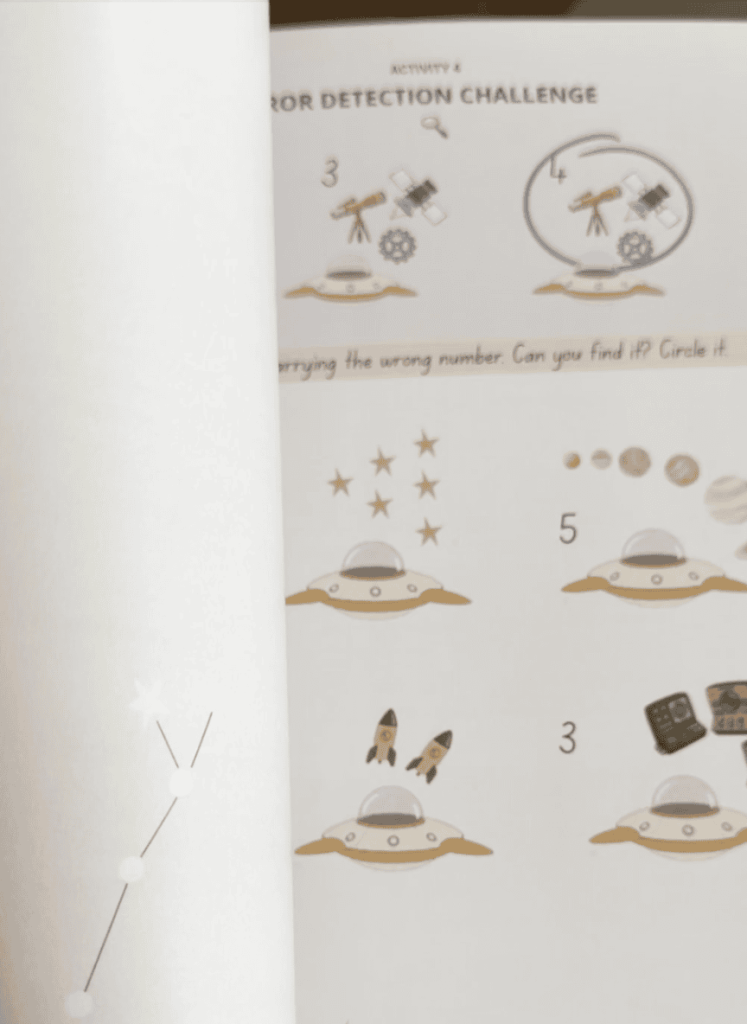
Attention grows through calm, absorbing tasks a child chooses to stay with, matching, tracing, finding what belongs together, spotting what is different. The key is letting a child work at something slightly challenging without interruption or correction, so they practise staying focused. Short, screen-free activities done regularly build attention more effectively than long sessions, because the skill is in returning to focus, not in duration.
Is it normal for my child to give up when something is hard?
Yes, this is common and usually not a sign of a problem. Staying with difficulty is a skill that develops with practice, not a trait a child either has or lacks. Children build it by encountering small challenges they can manage, ones hard enough to require effort but not so hard they give up. Regular, low-pressure practice with manageable difficulty helps a child grow more comfortable staying with a problem over time.
What cognitive skills prepare a child for an unpredictable future?
The capabilities that stay useful whatever the future holds are the ones underneath all learning: sustained attention, flexible thinking, problem-solving, comfort with uncertainty, and the persistence to stay with something hard. These do not go out of date. A child who can focus, reason, adapt, and keep going when the answer is not obvious is prepared to learn whatever they need to, rather than depending on any one set of facts.
How is Tiny Thinks different from Kumon, KiwiCo, and Lovevery?
Kumon focuses on academic drilling, KiwiCo on hands-on projects, and Lovevery on play for the earliest years. Tiny Thinks is built around a single idea: developing the thinking capabilities underneath learning, in stages, before formal school. The workbooks are organised by cognitive stage rather than by subject or theme, so a parent can see exactly which capability each activity builds. It is screen-free, calm, and designed to be done alongside a child, not handed to them.
What comes after Lovevery when a child ages out?
Lovevery is designed for the earliest years and tapers as a child approaches preschool age. Tiny Thinks picks up from around age three, where the focus shifts from sensory play to building thinking capabilities, attention, reasoning, problem-solving, and self-control, through the years before formal school. It carries a child through four stages from age three to seven, each building on the last.
What is the best workbook for cognitive development by age?
The most useful workbook is one matched to a child's developmental stage rather than just their age or a theme. Tiny Thinks organises its workbooks into four stages, Attention Architect (3-4), Logic Foundation (4-5), Strategic Navigator (5-6), and Executive Function Lab (6-7), so each book develops the capabilities right for that stage. Choosing by stage means the challenge level fits the child, which is what keeps them engaged and building.
What is a good screen-free travel activity book for kids?
Calm, self-contained activities work best for travel, ones a child can do independently without mess or screens. Tiny Thinks workbooks suit travel well because each page is a small, absorbing challenge a child can work through quietly, whether at a table, on a flight, or waiting somewhere. Because the activities build thinking rather than just passing time, they hold a child's attention while doing something worthwhile.